


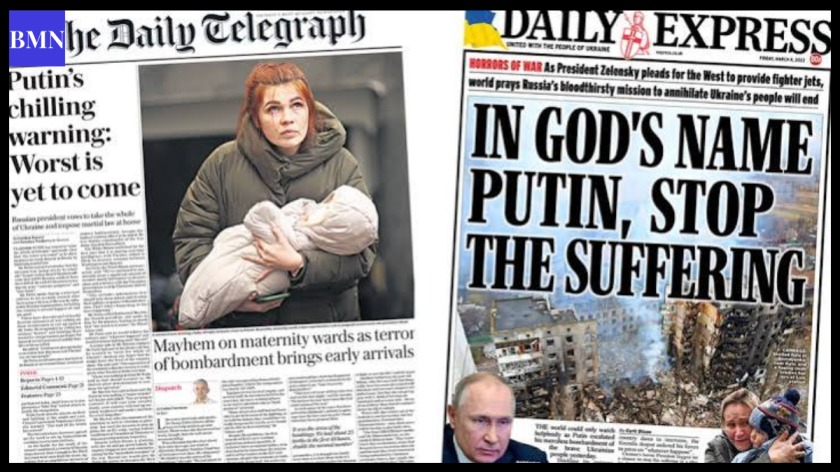
Change is rapid, and sometimes even major events affect millions of people within just a few hours’ time. Whether political or business, technological or humanitarian, natural or otherwise, there are times when things in the global world create an impact beyond their initial place of occurrence. Staying abreast of accurate international news helps a person make sense of what’s going on, what’s the significance of it, and what could be the likely outcome. This article is a guide to important global issues and their coverage in simple English. It also discusses the relevance of international news in one’s everyday life.
Top Global Stories and Major International Developments
The international news cycle is constantly changing, with political decisions, conflicts, economic developments, severe weather and humanitarian emergencies shaping events across different regions. For readers, understanding the day’s most important stories is about more than knowing what happened. It is also about understanding the background, the people affected and the possible consequences. International developments can influence fuel prices, financial markets, travel plans, business decisions and government policy, even when the original event takes place thousands of miles away. A useful daily news article should therefore provide context instead of simply repeating short headlines. It should help readers identify which stories are genuinely important and explain how different developments are connected. This approach is particularly useful for students, professionals, travellers and anyone who wants to develop a better understanding of global affairs without becoming overwhelmed by constant updates.
Current international attention is focused on several major developments across the Middle East, Europe, Asia and other parts of the world. Tensions involving Iran, the United States and Israel remain among the most closely watched geopolitical stories, while developments around the Strait of Hormuz are important for global energy and shipping markets. Ukraine continues to seek international military and political support as European countries consider their wider security responsibilities. At the same time, France is dealing with severe storm damage after a powerful tornado, while Indonesia is facing serious wildfire and haze problems. Economic markets are also responding to geopolitical uncertainty, trade disputes and changing expectations about energy supplies. These developments may appear unrelated at first, but they demonstrate how closely connected modern countries have become through trade, transport, finance, technology and diplomacy.
The value of following global developments lies in understanding those connections. A conflict can influence energy prices, which can affect transport costs and eventually household budgets. A trade dispute can increase the cost of imported products, while a natural disaster can interrupt production or shipping in another part of the world. Diplomatic disagreements between major powers can also affect international businesses and investment decisions. Readers should therefore look beyond dramatic headlines and ask several basic questions: What happened? Why did it happen? Who is affected? What could happen next? This simple method makes daily news easier to understand and reduces the risk of reacting to incomplete information. It also encourages readers to distinguish between confirmed facts, official claims and speculation, which is especially important when following rapidly developing international stories.
Breaking International News and Political Developments
One of the leading international stories is the continuing tension involving Iran and the United States. Washington has introduced additional sanctions targeting Iranian-linked organisations, individuals and commercial networks, increasing economic pressure on Tehran. Sanctions can affect more than the people or organisations directly named in government announcements. International banks, shipping companies, energy traders and businesses may need to review transactions and partnerships to make sure they comply with changing rules. This can create uncertainty in international commerce and make some transactions more complicated or expensive. The political significance is also considerable because Iran’s response may influence further diplomatic decisions. When sanctions are combined with military tensions and negotiations, governments around the world have to assess the possibility of further escalation.
Key developments to watch include:
- US-Iran relations: Changes in sanctions, negotiations and diplomatic statements.
- Middle East security: Developments that could affect regional stability.
- Strait of Hormuz: Shipping and energy-supply concerns.
- China-US relations: Possible effects of sanctions on Chinese businesses.
- Ukraine: Continuing military and diplomatic support from European countries.
- Global diplomacy: Responses from governments and international organizations.
The Strait of Hormuz is another important part of the story. The waterway is strategically important to international energy transportation, meaning that any serious security problem could affect countries far beyond the region. Shipping companies may face increased insurance or security costs when risks rise, while energy traders may adjust their expectations about future supplies. Importantly, markets can react to the possibility of disruption before an actual shortage occurs. This explains why international energy prices can change even when physical supplies remain available. Governments and businesses therefore monitor developments in the area very carefully. For ordinary consumers, the consequences may eventually be seen through changes in petrol prices, transport costs or the price of goods that depend on international shipping.
Political developments involving China are also important because Beijing has economic and diplomatic relationships with Iran. Chinese officials have warned against expanded American sanctions affecting Chinese companies linked to Iranian trade. This creates another potential point of tension between two major global powers. The United States and China already compete over trade, technology, investment and strategic influence, while remaining deeply connected economically. A dispute involving Iran can therefore become part of a much wider international relationship. At the same time, Ukraine remains a major European security issue, with its government continuing to seek stronger support from international partners. European governments are considering military assistance while also discussing their own long-term defence needs. These developments demonstrate that modern international politics rarely involves only two countries. Decisions made by one government can influence alliances, businesses, markets and security policies around the world.
Business, Economy and Global Markets
Global markets are closely connected to political and security developments. Energy is particularly sensitive because major disruptions to oil and gas transportation can affect production, transport and household costs in many countries. Investors do not simply respond to events that have already happened. They also respond to expectations about what might happen in the future. If traders believe that a geopolitical crisis is unlikely to create a major reduction in energy supplies, prices may remain relatively stable even while political tensions are high. If the perceived risk increases, prices can move more sharply. This explains why economic headlines sometimes appear to contradict political headlines. A serious geopolitical situation does not automatically mean that markets will rise or fall in one particular direction. Financial markets constantly assess supply, demand, interest rates, inflation, government policy and investor confidence at the same time.
International trade is another major factor affecting businesses and consumers. Tariffs can increase the cost of imported goods, while sanctions can prevent companies from trading with particular organisations or countries. Businesses may respond by changing suppliers, finding alternative markets, moving parts of their production process or absorbing additional costs. Large companies often monitor international policy closely because a government announcement can affect contracts and supply chains very quickly. Smaller businesses can also be affected if they rely heavily on one overseas supplier or customer. Consumers may eventually notice the effects through changes in the prices of imported products, fuel or transport services. However, these effects are not always immediate because companies may have existing stock, long-term contracts or alternative suppliers. Understanding this process gives readers a more realistic picture of how international economic decisions reach everyday life.
Technology has become another major part of international economic competition. Advanced computer chips, artificial intelligence, data infrastructure and digital services are increasingly treated as strategic assets. The United States and China are competing for technological leadership while also trying to protect industries that governments consider important to national security. Export restrictions can affect companies that depend on advanced components, while technology firms must monitor changing regulations in different markets. The effects can spread through global supply chains because modern electronic products often depend on components manufactured in several countries. Investors are also watching major technology companies closely as expectations around artificial intelligence continue to influence financial markets. This means technology news is no longer simply about new devices or software. It is increasingly connected to international trade, economic power, national security and competition between major economies.
Weather, Environment and Humanitarian News
Severe weather is another important part of the international news cycle. A powerful tornado in southern France has caused significant damage, leaving homes affected and communities facing the difficult process of recovery. The immediate danger may last only a short time, but the consequences can continue for weeks or months. Damaged buildings need to be inspected, electricity infrastructure may require repairs, roads can need clearing and families may need temporary accommodation. Local businesses can also lose income when buildings are damaged or customers cannot reach them. This demonstrates why natural-disaster reporting should not focus only on dramatic photographs or initial casualty figures. The recovery process is equally important because it determines how quickly communities can return to normal life. Emergency planning, building standards, warning systems and local preparedness all play important roles in reducing the long-term effects of extreme weather.
Indonesia is dealing with another major environmental problem involving wildfires and dangerous haze. Large fires can create serious air-quality concerns, particularly for children, older people and those who are sensitive to pollution. Smoke can also reduce visibility and disrupt transport, while businesses and schools may face difficulties if air quality becomes particularly poor. The regional nature of the problem is significant because smoke can travel across national borders, creating concerns for neighbouring countries. Responding effectively therefore requires both emergency firefighting and longer-term prevention. Land management, early detection, forest protection and responsible agricultural practices can all contribute to reducing the risk of repeated fires. Environmental emergencies should also be understood within their wider economic context because large fires can damage ecosystems, disrupt tourism, affect agriculture and create substantial recovery costs.
Humanitarian crises require equally careful attention. Conflict, political instability and organised violence can affect ordinary civilians long after an individual incident disappears from the news cycle. People may lose access to homes, healthcare, education, food supplies or safe transportation. Haiti, for example, continues to face serious security and humanitarian challenges, illustrating how prolonged instability can weaken essential services and make daily life increasingly difficult. Responsible international reporting should therefore provide context instead of treating humanitarian crises simply as a collection of shocking statistics. It should explain the wider circumstances while keeping attention on the people affected. This approach helps readers understand why humanitarian assistance, security, political stability and long-term development are connected. It also encourages a more balanced understanding of global affairs by ensuring that human consequences receive as much attention as political statements.
Benefits of Following International News
Following international news can provide practical benefits for people from many different backgrounds. Students can use current affairs to understand subjects such as politics, geography, economics, history and international relations. Travellers can monitor developments that may affect destinations, including severe weather, political instability or major transport disruptions. Business owners can follow energy prices, sanctions, trade policies and shipping conditions that could influence their costs. Families with relatives overseas may also want to understand developments in the countries where their loved ones live. For professionals, global awareness can improve conversations, presentations and decision-making because international events increasingly affect many industries. The main benefit is not simply having more information. It is developing the ability to recognise important trends and understand how different developments connect with each other.
There are also educational benefits to developing a regular news habit. Reading about a current conflict can help students understand historical relationships, while following an economic dispute can make concepts such as tariffs, inflation and supply chains easier to understand. Environmental stories can provide real examples for geography and climate-related studies. International news can also improve critical thinking because readers can compare reports, identify differences between confirmed facts and political claims, and consider how different countries describe the same event. This does not require reading every available article. In fact, consuming too much information can make it harder to identify what is genuinely important. A smaller number of carefully selected stories can provide more value than hundreds of short updates.
Another benefit is early awareness. International developments can sometimes provide clues about issues that may affect local communities later. Changes in energy markets can influence fuel costs, while trade restrictions can affect imported goods. Major storms, floods and fires can disrupt international supply chains, potentially affecting products in distant markets. Political tensions can influence travel or business conditions. None of these consequences is guaranteed, but understanding the potential connections allows people to make better-informed decisions. The best news habit is therefore selective rather than excessive. Readers should focus on major developments, learn enough background to understand them and return to important stories as more reliable information becomes available. This creates a balance between staying informed and avoiding unnecessary information overload.
Real-Life Uses of World News
International news has many practical uses in everyday life. A person planning an overseas holiday may check political developments, weather warnings, transport conditions and security information before travelling. This can help them prepare more effectively and avoid relying on assumptions about a destination. Businesses also use international reporting to monitor changes that could affect operations. A company importing products might watch tariffs, shipping disruptions and energy prices, while an exporter may monitor political decisions in important customer markets. Investors follow international developments because geopolitical events can influence currencies, commodities and stock markets. Although individual readers do not need to become financial experts, understanding the basic relationship between world events and markets can make economic news easier to interpret.
Students can also use international news as a source of real-world examples. A lesson about international relations becomes more meaningful when students can connect theories with current diplomatic disputes. Economics students can examine how sanctions or tariffs influence businesses, while geography students can explore the causes and effects of wildfires, storms and other environmental emergencies. Teachers can use current events to encourage discussion and critical thinking rather than relying entirely on textbooks. However, students should be careful about using breaking news as an established fact. Developing stories can change, and early reports may later be corrected. Checking dates and using reliable sources is especially important when news is being used for assignments or presentations.
Families can benefit from international awareness as well. People with relatives living abroad may follow political, environmental or security developments in those countries. Even when an event does not directly affect a family, understanding global conditions can make it easier to appreciate changes in travel, energy prices or the availability of certain goods. The most useful way to apply international news is to connect a story to a real question. What could this mean for my plans? Could it affect my business? What should I understand before discussing this topic? Asking these questions turns passive news consumption into practical knowledge. It also helps readers avoid becoming distracted by stories that are dramatic but have little relevance to their own interests or responsibilities.
Frequently Asked Questions
What is the biggest news story in the world today?
Major global stories can change quickly as new developments emerge.
The biggest story is usually one with significant international political, economic or humanitarian impact.
What are the latest news headlines in the world today?
Latest headlines cover major developments in politics, conflicts, business, weather and technology.
Always check the publication time because breaking stories can develop rapidly.
What are today’s top 10 news headlines?
Top headlines highlight the most important stories receiving international attention.
They may include major political decisions, conflicts, economic changes and global emergencies.
What are the latest world news headlines?
Latest headlines provide updates on significant events happening across different countries and regions.
Reliable reporting also explains the background and wider importance of each story.
How can I follow the most important international news?
Choose reliable news sources and check their major updates at regular times.
Compare important reports and verify developing information before sharing it.
Conclusion
Awareness of international news can allow one to learn about what is affecting nations, economies and societies across the globe. Political disagreements, clashes, economic shifts, extreme weather conditions, environmental problems, and humanitarian crises can affect places far removed from the areas where they originated. It is better if one digs deeper than just reading sensational headlines and understands the facts, background and implications of each piece of news. It is also advisable that one pays attention to dates and cross-checks key details before forwarding any information. A simple daily routine of news reading can be both informative and manageable.