


UK summers are unpredictable, and sunny weather may be interrupted by rain or cool temperatures or extreme heat. The summer 2026 in the United Kingdom is expected to stand out for high temperature levels and record June temperatures. Knowing the forecasts by the Met Office, BBC Weather and others will help people prepare better for their holiday or other plans, such as working outside. It is necessary to know the difference between normal hot weather and the heatwave weather phenomenon. This article covers the weather in June in the UK, possible heatwave patterns, forecast for 2026 and many more useful things.
June Weather UK 2026: What Happened During the Heatwave?
June 2026 delivered a remarkable change in UK weather conditions. The beginning of the month was not consistently hot, with many areas experiencing cooler periods, cloud and occasional rain. As the month progressed, the weather pattern changed and high pressure became more influential. This helped bring longer periods of sunshine and warmer air into the UK. Southern and eastern England experienced some of the highest temperatures, although the wider country also saw unusually warm conditions. The change demonstrates why weather forecasts need regular updates. A month that begins with fairly ordinary summer weather can develop into a significant heat event when atmospheric conditions shift.
Temperatures increased rapidly during the final part of June. Gosport in Hampshire reached 36.1°C on 24 June, followed by 36.7°C at Merryfield in Somerset on 25 June. The heat then reached an exceptional level on 26 June, when Lingwood in Norfolk recorded 38.0°C. The Met Office confirmed this as the highest temperature ever recorded in the UK and England during June. The previous June record stood at 35.6°C, recorded in 1957 and 1976. The new record was more than two degrees higher than the previous mark, highlighting the exceptional nature of the late-June heat.
The heatwave also produced unusually warm nights. Hastings recorded a June minimum temperature of 23.2°C, while Tenby in Wales reached 22.7°C. Warm nights can make extreme heat more difficult because homes and buildings have less opportunity to cool down after sunset. People may struggle to sleep and may begin the following day without fully recovering from the previous day’s heat. For this reason, readers should look beyond the afternoon maximum when assessing extreme weather. The number of consecutive hot days, overnight temperatures, humidity and local conditions all influence how severe a period of heat becomes.
Met Office and BBC Weather: Understanding UK Heatwave Forecasts
The Met Office provides official UK weather warnings and detailed forecasts, making it an important source during extreme weather. Forecasters continuously review weather observations and computer models as conditions develop. An early prediction may suggest a possibility of warmer weather, while later updates may provide much greater confidence. This change does not mean the earlier forecast was necessarily wrong. It reflects the difficulty of predicting a complex atmosphere several days or weeks ahead. As a potential heatwave approaches, people should check updated information rather than relying on an old forecast.
BBC Weather can also help people understand local conditions. Someone planning a trip can check expected temperatures, sunshine, rainfall and wind for a particular town or city. However, readers should not become concerned by small differences between weather services. If one forecast shows 31°C and another shows 32°C several days ahead, both may communicate the same practical message: very warm conditions are likely. The length of the hot spell, overnight temperatures and official warnings can matter more than a one-degree difference.
The best approach is to combine local forecasts with official warnings. BBC Weather can provide convenient local information, while Met Office warnings can highlight conditions that may create significant impacts. Forecasts also become more detailed as the target date approaches. A prediction several weeks ahead may only show a broad trend, while a forecast for the next few days can provide more useful information about timing and temperature. During extreme weather, people should check forecasts regularly and avoid relying on old screenshots, social-media posts or dramatic weather maps without context.
When Is the Next Heatwave UK 2026?
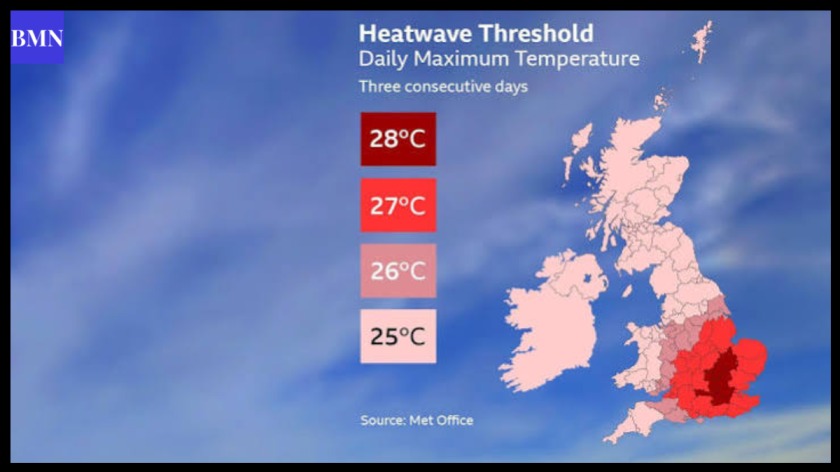
Many people search when is the next heatwave UK 2026 because they want to know exactly when the next period of extreme heat will arrive. Unfortunately, meteorologists cannot reliably provide a fixed heatwave date far into the future. A heatwave depends on several consecutive days reaching or exceeding specific temperature thresholds for a particular location. One very hot afternoon does not automatically qualify as an official heatwave. The definition also varies between regions because different parts of the UK have different climate conditions and temperature thresholds.
The June 2026 event shows why people should follow forecasts as a potential event approaches. Earlier forecasts may only show a possibility of warmer conditions. As atmospheric pressure patterns become clearer and weather models increasingly agree, forecasters can gain more confidence. Temperatures can then become easier to predict several days ahead. During June, the heat intensified rapidly, eventually producing a verified UK June record of 38.0°C. This progression demonstrates why forecasts should be treated as evolving information rather than permanent predictions.
People trying to identify the next major hot spell should look for several signals. Persistent high pressure can create settled weather with long periods of sunshine. Warm air moving north from continental Europe can increase temperatures, particularly across southern and eastern England. Several consecutive days of high temperatures provide a stronger signal than one isolated hot day. Warm overnight temperatures can indicate that the heat will persist. Official warnings provide another important indication because they show that forecasters expect weather conditions to create meaningful impacts.
UK Heatwave 2026 Predictions and the 90-Day Weather Outlook
Searches for UK heatwave 2026 predictions Met Office often focus on long-range forecasts, but these forecasts require careful interpretation. A long-range outlook can suggest that warmer-than-average conditions may become more likely during a particular period. It cannot normally tell someone that their town will reach a specific temperature on a particular day several weeks or months ahead. The further into the future a forecast goes, the greater the uncertainty becomes. Weather systems can change position, strength and timing, which can significantly alter temperatures across the UK.
The 90 day weather forecast UK 2026 Met Office can still provide useful information when people understand its purpose. Long-range outlooks can help identify broad patterns and probabilities rather than precise daily weather. Businesses can use this information for early planning, while farmers, event organisers and travel companies may use seasonal signals to consider potential risks. However, a long-range outlook should not become the basis for a firm prediction about a specific heatwave. Anyone seeing an extreme temperature displayed on a very long-range weather map should treat it as one possible scenario rather than a guaranteed event.
Forecast reliability generally improves as the target date becomes closer. A three-month outlook can provide broad guidance, while a monthly outlook offers more detail. A seven-day forecast becomes much more useful for specific travel and event planning. Short-range forecasts provide the most practical information when people need to decide what to do tomorrow or over the next few days. This layered approach allows people to benefit from long-range information without expecting it to provide the same accuracy as a short-range forecast.
Benefits, Pros and Cons of Extreme UK Summer Weather
Warm summer weather can provide many benefits when temperatures remain within a comfortable range. Sunny conditions encourage people to visit parks, beaches, gardens and tourist attractions. Tourism businesses can benefit from increased visitor numbers, while cafés, restaurants and outdoor entertainment venues may attract more customers. Festivals, sporting events and outdoor gatherings can also benefit from dry and settled conditions. Longer daylight hours and warm evenings give people more opportunities to spend time outside and enjoy the summer.
However, extreme heat creates important challenges. Very high temperatures can increase the risk of dehydration and heat-related illness. Outdoor workers may find physically demanding tasks more difficult, particularly when they cannot avoid direct sunlight. Homes without effective cooling can become uncomfortable, especially when hot weather continues into the evening. Warm nights can reduce sleep quality, while prolonged dry conditions can place pressure on gardens, crops, wildlife and water resources.
The June 2026 experience demonstrates why people should distinguish between pleasant summer warmth and exceptional heat. A sunny afternoon around 24°C or 25°C may be ideal for many outdoor activities, while temperatures above 30°C can create more challenging conditions. The impact also depends on humidity, wind, shade and overnight temperatures. For this reason, people should not judge the seriousness of a heatwave from one temperature figure alone. Official warnings and local conditions provide a more complete picture.
How to Prepare for the Next UK Heatwave and Protect Elderly People
Preparation becomes much easier when people start before temperatures reach their highest point. Homes can become extremely warm when sunlight enters through windows for several hours, so closing curtains or blinds during the hottest part of the day can help reduce indoor heating. People can also identify the coolest room in their home and use it as a place to rest. Drinking water should remain easily available, and strenuous activities should move towards cooler parts of the day whenever possible.
Older people deserve particular attention during prolonged hot weather. Families can check that elderly relatives have enough fluids and access to a comfortable, shaded room. Regular contact can help identify whether someone is struggling with the temperature. Lightweight clothing and reduced physical activity can also make hot conditions easier to manage. Children and pets need protection too because they can become overheated quickly. People should follow appropriate health advice if someone develops concerning symptoms.
Preparation also helps travellers, employers and event organisers. People can plan outdoor activities for the morning or evening, avoid unnecessary exposure to strong midday sunshine and keep rooms shaded during the hottest hours. Travellers should check temperatures at their destination rather than assuming that conditions will match those at home. Event organisers can provide water, shade and rest areas, while employers can review outdoor working schedules. Cars also require special care because interiors can become dangerously hot very quickly. Children and animals should never remain alone inside parked vehicles.
Is It Worth Following the UK Weather Forecast in 2026?
Following UK weather forecasts in 2026 is worthwhile because weather conditions can change rapidly and extreme heat can affect many parts of daily life. A forecast can help people decide when to travel, exercise, work outdoors or organise an event. Families can prepare their homes before temperatures become extreme, while businesses can adjust working arrangements when necessary. People who regularly check forecasts also have more time to respond to official warnings. Instead of reacting to extreme temperatures at the last minute, they can make sensible changes in advance.
Different forecast periods have different uses. A long-range outlook can show broad trends, such as whether warmer-than-average conditions may become more likely. A monthly forecast provides a wider view, while a seven-day forecast becomes more useful for planning a holiday or event. Short-range forecasts provide greater detail about specific days. During significant heat, official warnings should receive particular attention. No single forecast can provide perfect information weeks ahead, so readers should focus on updated trends rather than one isolated prediction.
The main benefits of following weather updates include:
- Better travel planning: Check temperatures, rainfall and wind before setting off.
- Outdoor safety: Choose cooler times for exercise and sightseeing.
- Heat preparation: Prepare homes and workplaces before extreme temperatures arrive.
- Protecting elderly people: Check regularly on older relatives and neighbours.
- Outdoor work: Adjust schedules and breaks when temperatures become very high.
- Event planning: Prepare water, shade and alternative arrangements.
- Children and pets: Reduce unnecessary exposure to extreme heat.
- Forecast awareness: Replace old information with current updates.
- Better decisions: Combine local forecasts with official warnings.
The main value of forecasting comes from preparation. A weather forecast cannot prevent extreme heat, but it can provide enough warning to change routines and reduce unnecessary risks. People should not become overly concerned about every prediction of warm weather. Instead, they should watch for consistent forecasts, several consecutive hot days, unusually warm nights and official warnings. This approach makes weather information more useful and helps people separate ordinary summer warmth from genuinely significant heat.
Frequently Asked Questions
What Will the June Weather Be Like in the UK?
June can bring warm, sunny spells as well as rain and cooler periods. Southern and eastern areas are often warmer than northern and western regions.
Is the UK Getting a Heatwave in 2026?
The UK has already experienced exceptional heat in 2026. Future heatwaves cannot be predicted with certainty far ahead.
How Can You Keep an Elderly Person Cool During a Heatwave?
Keep rooms shaded, encourage regular drinks and use lightweight clothing. Check on elderly people regularly during prolonged hot weather.
When Is the Next Heatwave in the UK?
There is no guaranteed date for the next heatwave. Updated Met Office forecasts become more reliable as the potential hot spell approaches.
How Accurate Is a 90-Day UK Weather Forecast?
A 90-day outlook can show broad weather trends but cannot guarantee exact temperatures. Short-range forecasts are better for specific dates.
Conclusion
The UK’s summers of 2026 have proven that regular warm days can turn into extreme heat quite fast. The month of June saw record temperatures, thus, accurate forecasting has become a priority for everyone from residents to travelers, firms to outdoor workers. While the Met Office is still relevant for warnings, BBC Weather may come in handy for personal short-term planning. While long-term forecasts can provide general ideas, they do not promise the exact dates of the future heatwave. As temperatures soar, it is wise to be prepared, especially in case you belong to vulnerable groups of population.