


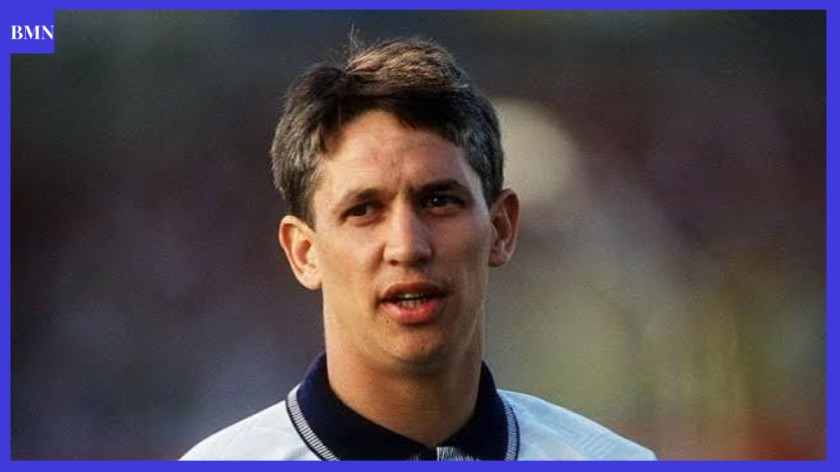
Gary Lineker is a name that many football fans instantly recognise. Born in Leicester in 1960, he built an impressive career as a striker, playing for Leicester City, Everton, Barcelona, Tottenham Hotspur and Nagoya Grampus. He also enjoyed a memorable England career, scoring 48 goals in 80 appearances and winning the Golden Boot at the 1986 World Cup. After hanging up his boots, he successfully moved into broadcasting and became a familiar face for football viewers. More recently, podcasting has added another chapter to his career. From scoring goals to discussing the game, his connection with football has remained strong.
Early Life, Age and Cricket Background
Gary Lineker was born on 30 November 1960 in Leicester, England. Growing up in the city, he developed an interest in both football and cricket during his childhood. The choice between the two sports eventually became an important one, as he had to decide which path to follow seriously. Football ultimately won, and his natural finishing ability helped him progress through Leicester’s youth system. His early years provided the foundation for a professional career that would later take him around Europe and into international football.
His football education began with Leicester City, where he developed into a reliable goalscorer. Rather than relying only on physical strength, he built his reputation around positioning, timing and the ability to react quickly inside the penalty area. Those qualities became central to his playing style throughout his career. His performances also showed that a striker could influence games through movement and anticipation rather than simply holding the ball or winning physical battles.
The decision to concentrate on football proved significant because his career soon moved beyond Leicester. His goals at club level attracted attention from bigger teams, while his performances eventually earned him a place with England. By the time he reached his peak, he had developed into one of the most effective finishers of his generation. His early sporting background also helps explain why his later media career has remained closely connected with football.
Football Career and Teams
The professional club career began at Leicester City, where he established himself as a prolific striker. He later joined Everton and continued scoring consistently, helping him gain a reputation beyond the Midlands. His Everton performances were particularly important because they placed him firmly among England’s leading forwards before the 1986 World Cup. His goalscoring record also helped create the opportunity to move abroad and experience football at one of Europe’s most famous clubs.
His next major step came with Barcelona in 1986. The move followed his outstanding World Cup in Mexico, where he finished as the tournament’s leading scorer with six goals. Barcelona’s official records list three seasons with the first team, from 1986 to 1989, along with 150 matches and 58 goals. He also won the Copa del Rey and European Cup Winners’ Cup during his time at the club.
After Barcelona, he returned to England with Tottenham Hotspur, where he continued to score regularly. His final professional move took him to Japan with Nagoya Grampus, where he played until retiring in 1994. His club journey therefore covered several very different football environments, from English domestic football to La Liga and Japanese football. The variety of those experiences later gave him a broad perspective when discussing the game as a broadcaster.
Barcelona Career and England Record
The Barcelona period remains one of the most memorable chapters of his playing career. He arrived after the 1986 World Cup and quickly became popular with supporters because of his goals and personality. Barcelona records show that he scored 58 goals in 150 matches for the club and won two major trophies. His final season also saw him operate from a wider position under Johan Cruyff, demonstrating his ability to adapt to different tactical demands.
Internationally, his record with England remains especially significant. He scored 48 goals in 80 senior appearances, placing him fourth on England’s all-time men’s scoring list behind Harry Kane, Wayne Rooney and Bobby Charlton. He also scored five England hat-tricks, a figure that remains among the highest in the team’s history.
The 1986 World Cup was the defining international tournament of his playing career. He scored six goals in Mexico and collected the Golden Boot after finishing as the competition’s leading scorer. He later added four more World Cup goals in 1990, taking his tournament total to ten. England Football notes that Harry Kane subsequently surpassed that World Cup record.
Wife, Children and Family
His family life has often attracted public interest because he has been married twice and has four sons. He was previously married to Michelle Cockayne, with whom he has four children: George, Harry, Angus and Tobias. He later married model and former actress Danielle Bux in 2009. The couple separated several years later and divorced in 2016.
Away from football and broadcasting, family has remained an important part of his personal story. His eldest son George was diagnosed with leukaemia as a child, and the experience led the family to support charitable work connected with the disease. FC Barcelona has also highlighted his involvement with organisations supporting the fight against leukaemia.
Public interest in his wife and children often sits alongside interest in his football career, but the two sides of his life have developed very differently. His playing career made him famous internationally, while his family experiences have influenced some of his charitable work. He has generally maintained a clear distinction between his professional public profile and the more personal aspects of family life.
Broadcasting Career and The Rest Is Football
After retiring from professional football in 1994, he built a second career in television. He became one of British football broadcasting’s most familiar presenters and spent more than two decades associated with Match of the Day. His understanding of the sport, combined with his experience as an international striker, helped him explain major matches and football stories to a broad television audience.
Podcasting later became another major part of his media career. The Rest Is Football brings together Lineker with Alan Shearer and Micah Richards, combining football discussion, analysis, interviews and humour. Netflix brought the programme to a global audience during the 2026 World Cup, with the show operating as a daily programme during the tournament.
The move into podcasting reflects the wider change in how football audiences consume analysis. Instead of relying only on traditional television broadcasts, supporters can now follow longer conversations through digital platforms. In 2026, The Rest Is Football continued its Netflix presence, giving the three hosts an international platform alongside their existing podcast audience.
- Also Read. Richard Osman Age Wife Books and Family
(FAQs)
Is Gary Lineker in a relationship now?
His current relationship status is not consistently confirmed publicly. He generally keeps his private life away from the spotlight.
Why did Gary Lineker and Danielle Bux divorce?
They married in 2009 and divorced in 2016. Both have described the separation as amicable.
What is Gary Lineker doing now?
He continues working in football media and podcasting. He is involved with The Rest Is Football alongside Alan Shearer and Micah Richards.
Is Gary Lineker a millionaire?
Yes, his football, broadcasting and business career has brought substantial earnings. His exact personal wealth is not officially confirmed.
How much is Gary Lineker worth?
There is no verified official figure for his personal net worth. Published reports focus more on his earnings and business interests.
Conclusion
Gary Lineker’s journey is a great example of how a football career can lead to something much bigger. From scoring goals for Leicester City and Barcelona to becoming one of England’s most remembered strikers, he created plenty of special moments on the pitch. His six-goal World Cup campaign in 1986 remains a standout achievement. After retiring, he found a new role behind the microphone, becoming a familiar and trusted voice for football fans. Today, podcasting has added another chapter to his career through The Rest Is Football. His story continues to connect his playing memories with the modern game.